We Ship Worldwide – Reliable International Delivery
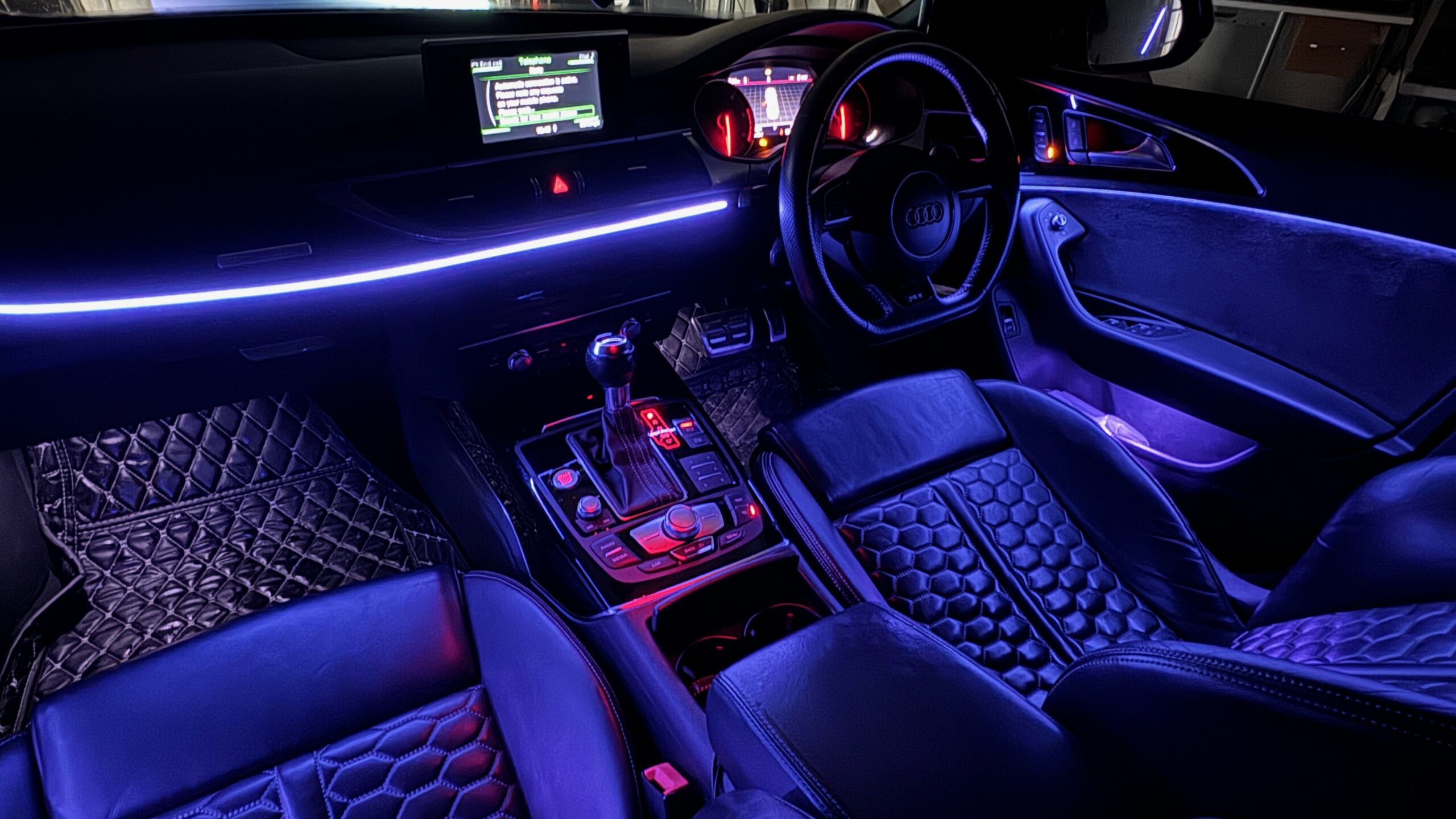
Ambient light can completely change the mood and perceived value of a car interior. Whether you drive a Mercedes CLA or another premium model, the choice usually comes down to two paths: a universal ambient light kit or a system adapted specifically to the car. Both will add illumination, but they differ in control, finish, longevity, and overall experience. Here’s a practical look at those differences and how to choose the best option for your vehicle.
At first glance, both solutions look similar—strips of LEDs, connectors, and a control box. The details matter. A universal ambient light kit is designed to work in a wide range of vehicles. It usually consists of several separate control blocks, generic wiring, and requires creative mounting and wiring to make the lighted parts sit and shine properly.
A car-adapted ambient light system takes a different route. It uses a single, purpose-built control unit, routed wiring through factory passages, custom-made connectors or adapters that plug into the car’s original harness, and manufactured trim pieces where needed. The result is a cleaner installation with less visible wiring, original control integration, and a finish that feels like it belongs to the car.
Universal kit
Car-adapted system
Installation quality makes a huge difference. Universal kits are widely available and can be installed in most cars, but they require careful placement and clever mounting to look good. You will often see glued strips or makeshift brackets to secure the light elements.
Car-adapted systems require more time and knowledge. Wiring is routed through factory channels, connectors are matched to the vehicle, and sometimes small manufactured parts are used to make the lighting blend with trim pieces. Because of this additional effort, the final result tends to be more durable, less prone to loose wiring or failures, and closer in feel to an original feature.
Price is important, but value is what lasts. When someone asks how much ambient light costs, the answer depends on the chosen approach and the level of integration desired. Consider these factors before choosing:
A universal ambient light kit makes sense when:
In these cases, insist on neat wiring, secure mounting, and professional workmanship to avoid visible cables and premature failures.
If you want the best experience and longevity, choose a system designed for your car. Benefits include:
Ambient light can be a subtle upgrade that raises the interior feel of any car. Done properly—with integration, hidden wiring, and careful workmanship—it becomes part of the car rather than an add-on. If you must save money, a universal kit will still brighten the cabin, but expect compromises. For the cleanest result and best long-term value, choose a solution adapted to the vehicle and controlled through the original systems whenever possible.
add new car
Your settings
add new car


